Nepal interim cabinet Day 4: Mourning, voting reforms, recovery drive
Nepal’s interim cabinet marks Day 4 with diplomacy, voting reforms, and civic recovery drive
BCANP News Desk —
—
Kathmandu, Nepal
On the fourth day of Nepal’s interim cabinet, Prime Minister Sushila Karki entered her first international engagement with a call from Indian Prime Minister Narendra Modi, who offered condolences over protest deaths and pledged support for Nepal’s transition. Domestically, the cabinet’s ministers expanded their mandates: inquiries into protest deaths, new voting reforms, a national recovery plan, and a civic reconstruction fund.
Timeline (Sept 18, 2025)
- Diplomatic outreach: PM Karki spoke with India’s PM Modi, who promised bilateral cooperation and support for stability.
- Protest aftermath: Following the Sept 17 day of mourning, compensation payments to families of victims continued under government oversight.
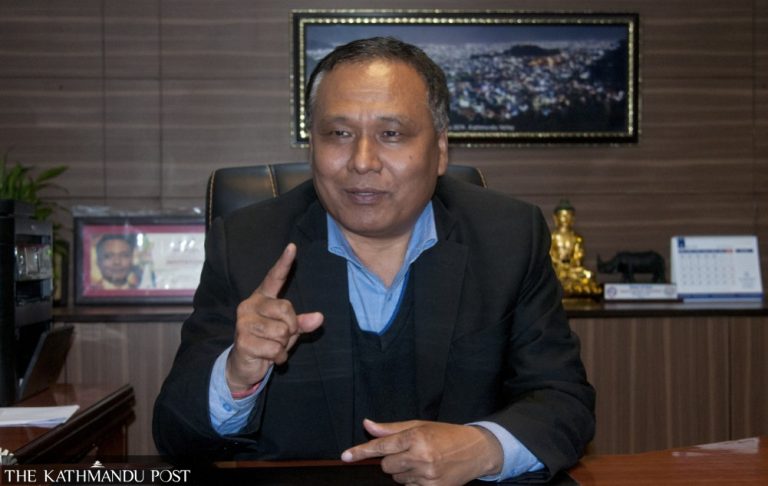
- Voting reforms: Home Minister Om Prakash Aryal discussed with the Election Commission allowing Nepali citizens abroad to vote at least in proportional ballots, and introducing a “No Vote” option on ballots.
- Inquiry process: Aryal also advanced steps to form an independent commission into the 72 protester deaths and coordinated on election security guidelines.
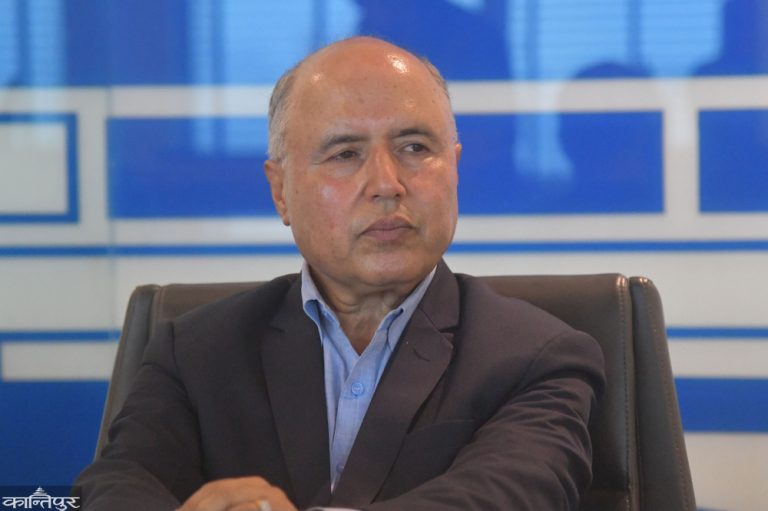
- Business recovery: Finance Minister Rameshwor Khanal refined his integrated recovery plan, focusing on tax relief, credit facilities, and youth employment programs.
- Civic reconstruction fund: Energy Minister Kulman Ghising announced a campaign fund, calling on Nepalis at home and abroad to contribute, saying the people should rebuild their own damaged structures without reliance on foreign donors.
- Power sector reforms: Ghising also pressed industries to clear electricity dues and followed up on dismantling the minister’s chamber at NEA headquarters.
Decisions & Quotes
- Karki: Reaffirmed her six-month tenure, stating, “This government’s duty is to heal, not to rule.”
- Aryal: Argued diaspora Nepalis “must at least have proportional voting rights” and endorsed a “No Vote” option as democratic accountability.
- Khanal: Emphasized that relief must “restore credibility in public finance” while prioritizing job creation.
- Ghising: Declared, “Nepali people must rebuild what Nepali people have torn down,” urging voluntary contributions from citizens worldwide.
- Modi (via readout): Expressed “deep condolences” and assured India would “stand with Nepal in this transitional phase.”
Why it matters
Day 4 demonstrated a cabinet moving from mourning into reform and rebuilding. Aryal’s proposals on diaspora voting and a “No Vote” option mark potential electoral innovations. Khanal’s recovery agenda addresses the economic roots of unrest. Ghising’s civic fund reframes reconstruction as a people-led mission, reducing dependency on foreign donors. Karki’s diplomatic outreach shows external legitimacy, while the six-month limit underscores the government’s transitional nature.
Background
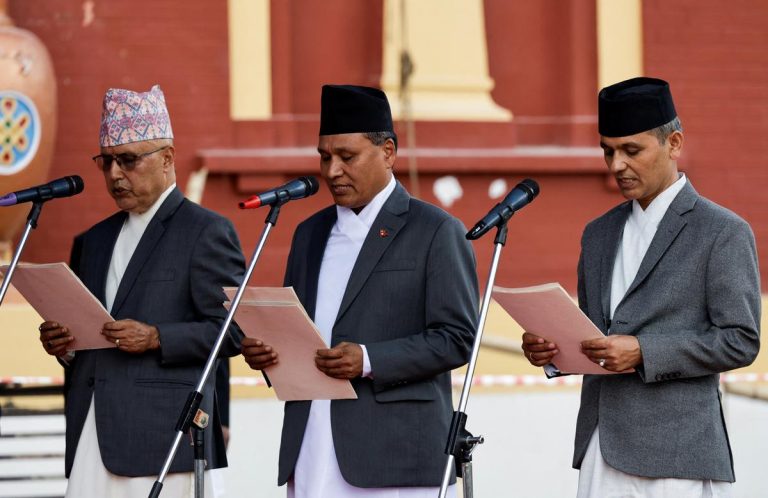
Karki, a former chief justice, became interim prime minister after youth-led protests in early September left dozens dead and forced political compromise. Her cabinet — Aryal (Home/Law), Khanal (Finance), Ghising (Energy/Infrastructure) — reflects a technocratic shift aimed at clean governance, justice, and rebuilding ahead of March 2026 elections.
What’s next
- Drafting legal frameworks for diaspora voting and the “No Vote” option.
- Formation of the independent inquiry commission into protester deaths.
- Publication of Khanal’s finalized business recovery package with employment details.
- Operational launch of Ghising’s reconstruction fund with transparent mechanisms for contributions.
- Expansion of Karki’s international outreach beyond India.
Sources
- Economic Times — PM Modi and PM Karki hold first call (Sept 18, 2025)
- India Today — National mourning and compensation (Sept 17, 2025)
- Kathmandu Post — Fallen protesters declared martyrs (Sept 15–16)
- TBS News — Karki vows six-month interim term (Sept 17)
- Khabarhub — Govt to launch integrated business recovery plan (Sept 16)
- Kathmandu Post — Ghising orders NEA office closure (Sept 16)
- Himalayan Times — NEA dues and industry warnings